
QUARTZITE
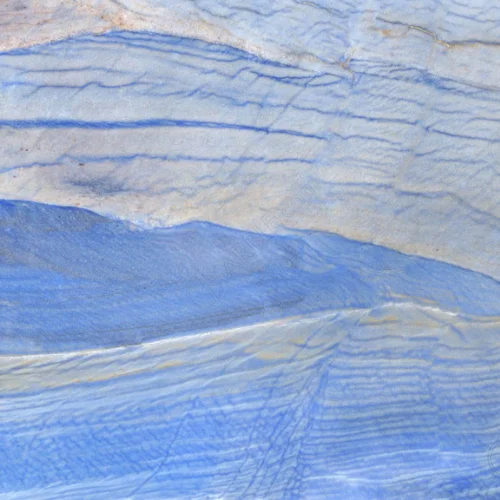
Rating 7 on the Mohs hardness scale, quartzite is tougher than marble and similar in strength to granite. While it resists scratches and heat, some may be slightly porous and susceptible to acids due to minor feldspar or clay content.
Quartzite is a strong, durable rock formed from sandstone rich in quartz undergoing extreme heat and pressure. This metamorphic process creates a dense structure that resists erosion and weathering. The minerals present during formation can affect quartzite's appearance, resulting in unique patterns and colors.
Combining the elegance of marble with granite's strength, quartzite is a desirable choice for countertops, flooring, and outdoor uses. It is available in multiple finishes and colors.
-
With a granular texture, quartzite's grain size varies based on heat and pressure. Unlike marble, it doesn't etch easily from acids, and patterns range from veined to more consistent.
-
Common finishes for quartzite include:
Polished: Shiny and enhanced colors, ideal for countertops.
Honed: Matte and natural-looking, perfect for floors.
Leathered: Textured and stain-resistant, suitable for kitchens.
Steeled (Brushed): Rougher texture for slip resistance outdoors.
Rock Pitch: Rough, chiseled edge for a rugged look.
-
Quartzite features various colors due to its mineral content:
Whites and Grays: Pure quartz.
Beiges and Creams: Iron or clay presence.
Golds and Browns: Iron oxide content.
Greens: Minerals like chlorite.
Blues: Rare, from Dumortierite.
Pinks and Reds: Iron-rich.
Blacks and Dark Grays: Carbon or iron-rich.