
MARBLE
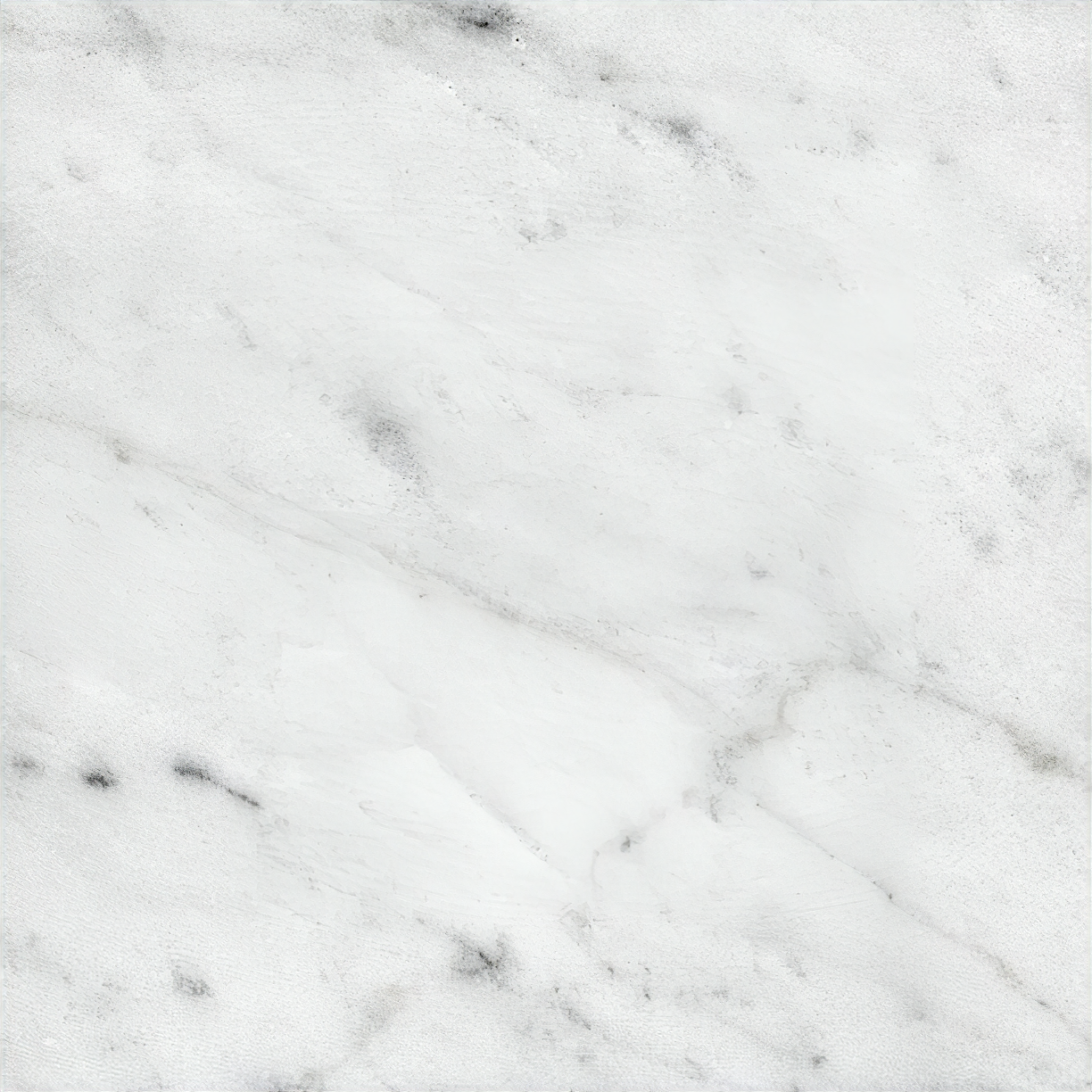
With a hardness rating of 3 to 5 on the Mohs scale, marble is softer than granite but still durable. It resists heat but can scratch, stain, or be damaged by acids due to its calcite content.
Marble is a metamorphic rock that forms when limestone undergoes heat and pressure, transforming calcite into a denser, crystalline form. This process introduces various materials that create distinctive veins and colors, resulting in unique patterns. Over time, geological activity can bring marble to the surface, making it accessible for art and architecture.
-
Marble features a crystalline texture with varying grain sizes based on its metamorphic history:
- Fine-grained: Smooth and uniform.
- Medium to coarse-grained: Noticeable crystal structures.
Distinctive veining results from mineral impurities in the stone. Sealing the surface is highly recommended.
-
Marble can be finished in different ways for aesthetics and usability:
Polished: Shiny and enhanced colors, ideal for countertops.
Honed: Matte and natural-looking, perfect for floors.
Leathered: Textured and stain-resistant, suitable for kitchens.
Steeled (Brushed): Rougher texture for slip resistance outdoors.
Rock Pitch: Rough, chiseled edge for a rugged look.
-
Marble comes in various colors based on its mineral content:
White: Pure calcite.
Beige and Cream: Small amounts of clay or iron.
Gray: Veins from graphite.
Green: Serpentine minerals.
Pink and Red: Iron oxide.
Black: Organic materials.
Blue: Minerals like sodalite.