
GRANITE
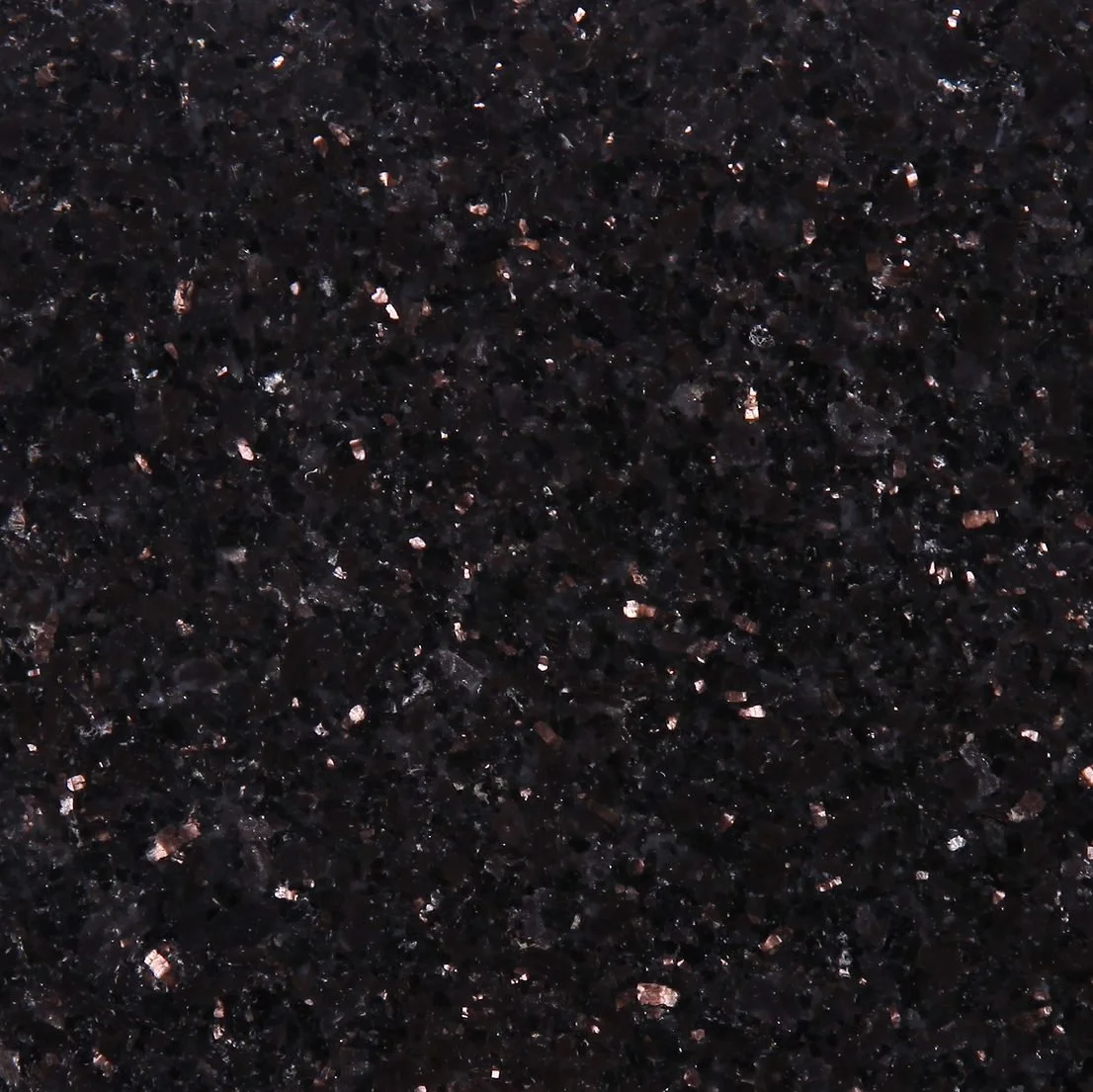
Ranking 6 to 7 on the Mohs hardness scale, granite is one of the hardest natural stones. Its durability makes it resistant to scratches and weathering, though acidic substances can dull its polish over time.
Granite is an igneous rock formed when magma slowly cools and solidifies beneath the Earth's crust, allowing large mineral grains to develop. It primarily consists of quartz, feldspar, and mica, which can vary in color and texture due to interactions with surrounding rocks and hydrothermal fluids. Over time, erosion exposes granite at the surface, making it available for quarrying.
-
Granite features an interlocking crystal structure, with grain sizes ranging from fine to coarse. The main minerals contributing to its speckled appearance are:
- Quartz: clear or gray.
- Feldspar: pink or white.
- Mica: black or brown.
Variations in mineral content and cooling create diverse textures.
-
Granite can be finished in various ways:
- Polished: Shiny, enhancing color for countertops.
- Honed: Smooth and matte, ideal for flooring.
- Leathered: Textured, velvety matte finish.
- Bush Hammered: Pitted surface and anti-slip.
- Flamed: Textured and anti-slip
- Steeled (Brushed): Rough texture for slip resistance.
- Rock Pitch: Hand-chiseled for a rugged look.Description text goes here
-
Granite shows a wide color range based on its mineral composition:
- White/Gray: High quartz content.
- Yellow: Iron presence.
- Pink/Red: Potassium feldspar.
- Green: Green minerals like epidote.
- Blue: Rare, often sodalite.
- Black: Rich in biotite or hornblende.Description text goes here